
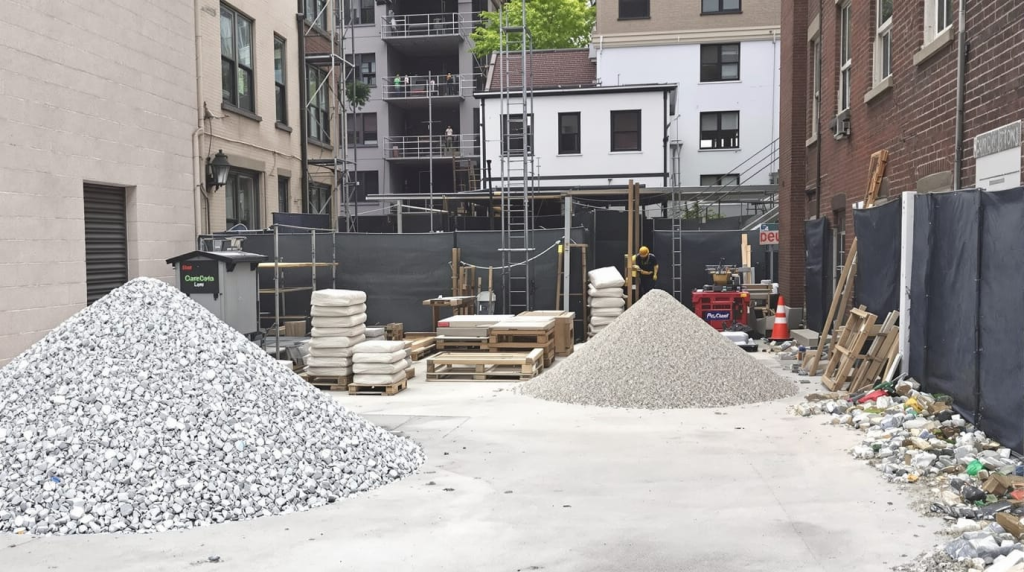
How Small Contractors Use an Impact Crushing Machine to Compete With Large Recycling Yards
For years, large recycling yards held a clear advantage over small and mid-sized contractors. They had the space, the equipment, and the scale to process construction waste efficiently. Smaller operators were forced to haul debris away, pay disposal fees, and then buy aggregate back at market prices. That model is quietly breaking down. Today, an impact crushing machine for small contractors is leveling the playing field. With modern mobile units, even lean crews can recycle material on site, control costs, and operate with the same efficiency as centralized yards. In many cases, a single impact crusher is all it takes to shift the balance.
This is not about competing head-to-head in volume. It is about competing intelligently, closer to the work, and with far lower overhead.
The Old Disadvantage Small Contractors Faced
Traditionally, small contractors were locked into a losing loop:
- Haul concrete and asphalt off site
- Pay tipping or landfill fees
- Lose time waiting for trucks and approvals
- Buy virgin aggregate to complete the job
Large recycling yards, by contrast, made money at every step. They charged to accept waste, processed it at scale, and sold recycled material back to the market.
This structure punished smaller operators, especially those working on repetitive local projects like residential developments, utility repairs, or small commercial demolitions. Margins were thin, and hauling costs could quietly erase profits.
Why On-Site Crushing Changes the Game
The shift began when compact, reliable crushing equipment became accessible. On-site concrete crushing for contractors is no longer limited to massive plants or specialized recyclers. With the right setup, waste becomes a usable input instead of a liability.
On-site crushing allows contractors to:
- Eliminate or drastically reduce hauling
- Reuse material immediately
- Control scheduling without outside dependencies
Instead of sending value off site, small contractors keep it where it belongs – on the job.
The Role of the Impact Crushing Machine
Not all crushers are equally suited for this role. Impact crushers stand out because they are optimized for recycling and mixed material. They are forgiving, flexible, and efficient in real-world job site conditions.
An impact crushing machine for small contractors typically offers:
- Simple operation without specialized crews
- High-quality, cubic output
- Ability to handle concrete, asphalt, and masonry
This makes impact crushers ideal for contractors who need versatility rather than raw throughput.
Mobility Is the Equalizer
A mobile impact crushing machine is the single biggest reason small contractors can now compete with large recycling yards. Mobility removes the need for centralized infrastructure.
Instead of bringing material to the crusher, the crusher comes to the material.
This matters because:
- Jobs are often spread across multiple sites
- Space is limited, especially in urban areas
- Projects move quickly and unpredictably
Mobile units can be set up, operated, and relocated with minimal downtime. For small teams, this flexibility is more valuable than sheer processing volume.
From Waste to Resource on Small Job Sites
One of the biggest misconceptions is that small projects do not generate enough material to justify crushing. In reality, even modest demolition or renovation work produces enough concrete and asphalt to make recycling worthwhile.
Through small scale concrete recycling, contractors can:
- Create base material for driveways and pads
- Backfill trenches with processed concrete
- Build temporary access roads on site
This reduces dependence on external suppliers and insulates contractors from aggregate price swings.
Competing on Cost Without Cutting Corners
Large recycling yards benefit from scale, but they also carry overhead: land, staff, permits, and logistics. Small contractors do not need to replicate that model. Instead, they focus on cost-effective crushing equipment that matches their actual workload.
Impact crushers excel here because:
- They combine crushing and shaping in one step
- They reduce the need for secondary processing
- They lower fuel and maintenance costs per ton in recycling applications
When contractors run the numbers honestly, they often find that on-site crushing pays for itself faster than expected, especially when hauling distances are long or disposal fees are high.
Time Savings That Translate Into Competitive Advantage
Speed is another area where small contractors gain ground. Large recycling yards operate on their own schedules. Trucks wait, material queues up, and projects slow down.
With on-site crushing:
- Material is processed continuously
- Crews work without interruption
- Project timelines become more predictable
Finishing jobs faster allows small contractors to take on more work without expanding headcount. Over time, this operational efficiency becomes a serious competitive advantage.
Meeting Environmental and Client Expectations
Clients increasingly care about sustainability, even on smaller projects. Municipalities, developers, and private owners want to see waste reduction and recycling strategies in place.
Using construction waste recycling equipment on site helps small contractors:
- Reduce landfill volumes
- Lower carbon emissions from hauling
- Align with green building requirements
This is no longer just a marketing benefit. In many bids, waste management plans directly affect scoring and contract awards.
Quality Matters as Much as Cost
Large recycling yards often emphasize volume. Small contractors, however, benefit from focusing on quality. Impact crushers produce well-shaped, consistent aggregate that performs better in compaction and load-bearing applications.
Better material quality means:
- Fewer callbacks
- More durable results
- Higher client satisfaction
In practice, this allows small contractors to deliver results that match or exceed what clients expect from larger operators.
Owning the Process Instead of Outsourcing It
Perhaps the biggest shift is psychological. When contractors control their own recycling process, they stop thinking like waste generators and start thinking like material managers.
Owning an impact crushing machine for small contractors creates:
- Independence from external yards
- Greater pricing control
- More resilient operations during market disruptions
This mindset shift is what truly allows small contractors to compete with large recycling yards. It is not about size. It is about control.
Final Thoughts
Large recycling yards will always have a role in the construction ecosystem. But they no longer hold a monopoly on efficiency or recycling capability. With modern impact crushers, small contractors can process material where it is generated, reuse it immediately, and eliminate some of their biggest hidden costs.
By embracing on-site concrete crushing for contractors, leveraging a mobile impact crushing machine, and investing in cost-effective crushing equipment, smaller operators turn scale from a weakness into a strength. Add the benefits of small scale concrete recycling and reliable construction waste recycling equipment, and the competitive gap narrows fast.
In today’s market, the contractors who win are not always the biggest. They are the ones who keep value on site, move faster, and make smarter use of the material already in front of them.

